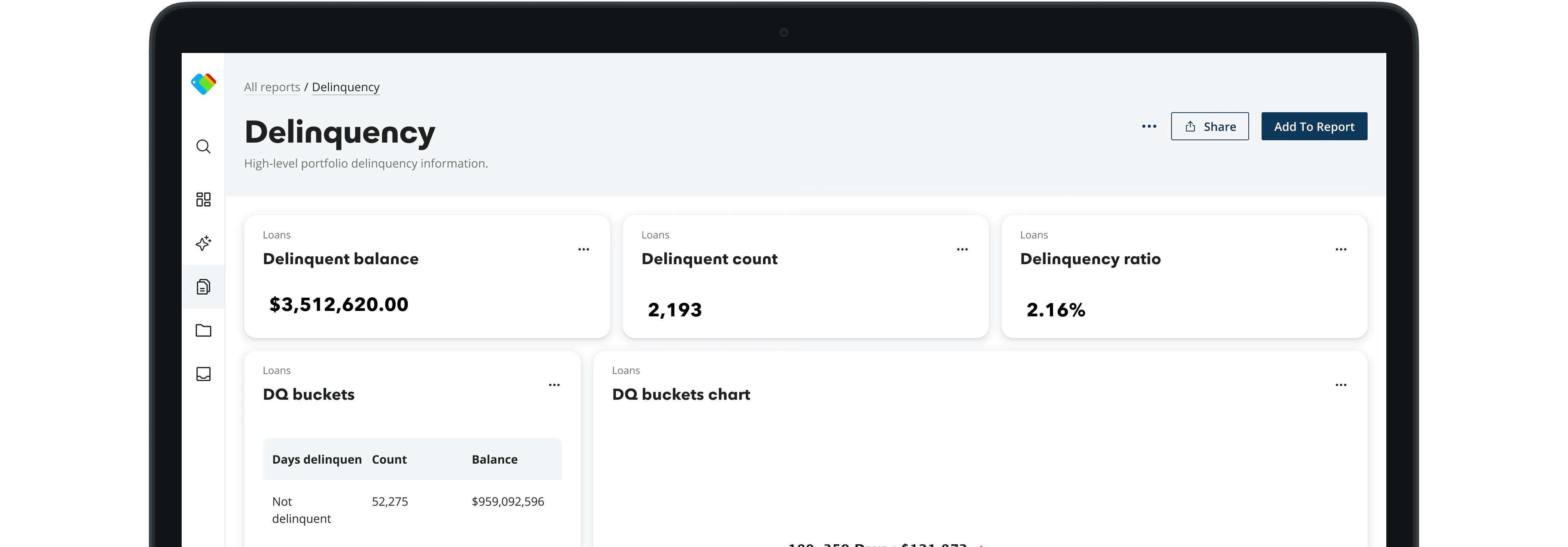
From Zero to Strategic Design Function
Elevating Design from Execution to Strategy for 1,000+ Financial Institutions Managing $1.3 Trillion in Client Assets
Executive Summary
As Product Design Leader for nCino Analytics, I directed five cross-functional teams of engineers, product managers, and designers. I also built the first design system and research practice the business unit had ever seen. Our work supports more than 1,000 financial institutions managing over $1.3 trillion in assets, representing roughly ~45% of U.S. credit unions by logo and roughly ~55% by loan volume.
I established a unified design vision, shifted decision-making from gut instinct to evidence, and led the adoption of user research, behavioral analytics, and AI-first design workflows. These changes improved usability, reduced support burden, and aligned the organization around a consistent, customer-informed experience.
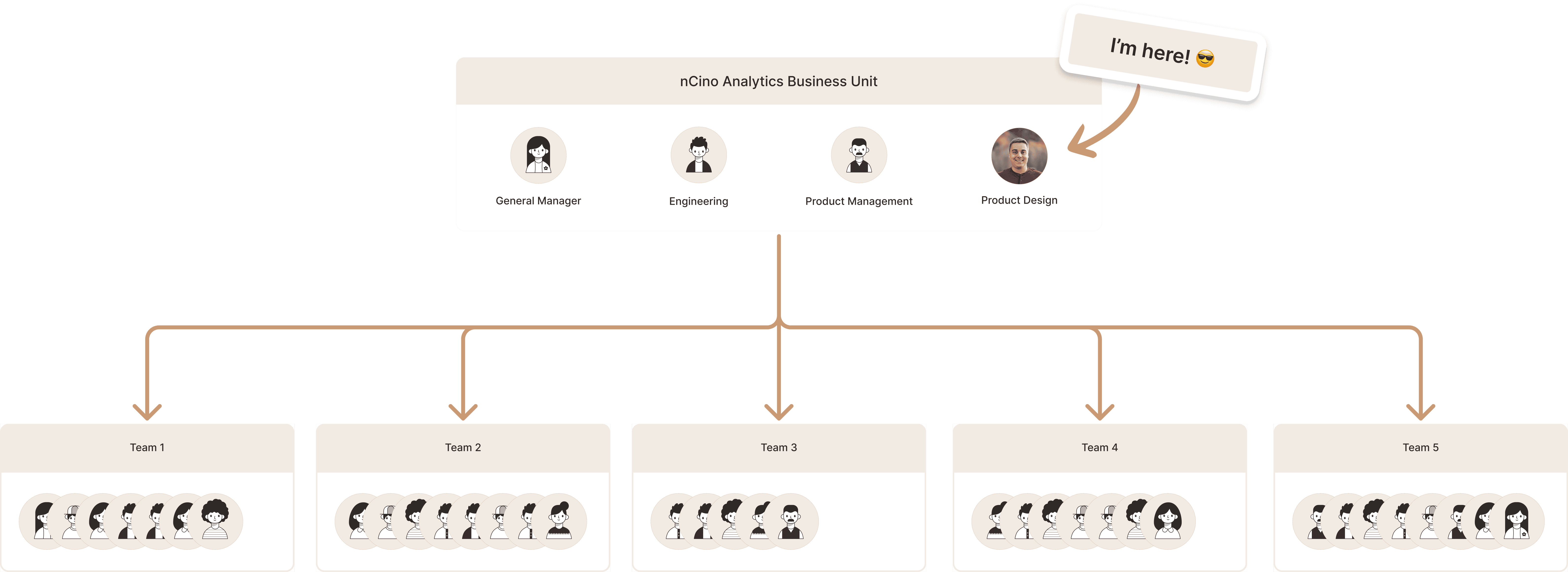
Now for the fun part!
Designing Through Two Decades of Debt
Picture inheriting a 15-year-old enterprise analytics product that had never had a designer. Not "we had one designer who left." Never. Had. A designer.
nCino Analytics carried nearly two decades of design debt, a patchwork of engineering components, zero research infrastructure, and no systematic way to understand how financial institutions actually used their data. User research? Nonexistent. Engineering teams? Working in silos. The product was powerful but difficult to use, and customer success teams spent significant time fielding repetitive, avoidable support requests.
Midway through my tenure, a company acquisition introduced new interfaces and workflows into an already complex ecosystem. 🎉
The challenge: introduce design into a data-heavy business unit, unify fragmented systems, and create an experience that helps financial institutions understand and act on their data.
This was my approach:
1
How I built the first design function for a 15-year-old product and grew a team from zero to five.
2
How I shifted the organization from assumption-driven to evidence-driven work.
3
How I unified all cross-functional teams around a shared design vision.
People over pixels. Every time.
Building my Design Team
Starting from zero:
When I joined, nCino Analytics had no designers, no design system, and no research operations. I embedded myself directly with engineering and product teams and delivered fast improvements that demonstrated immediate value. Those early wins built the case for growing the team.
Within months, I grew the team from one to five, established a clear hiring framework, and built rituals that fostered trust, accountability, and shared ownership.
Bringing the whole team under one roof (literally)
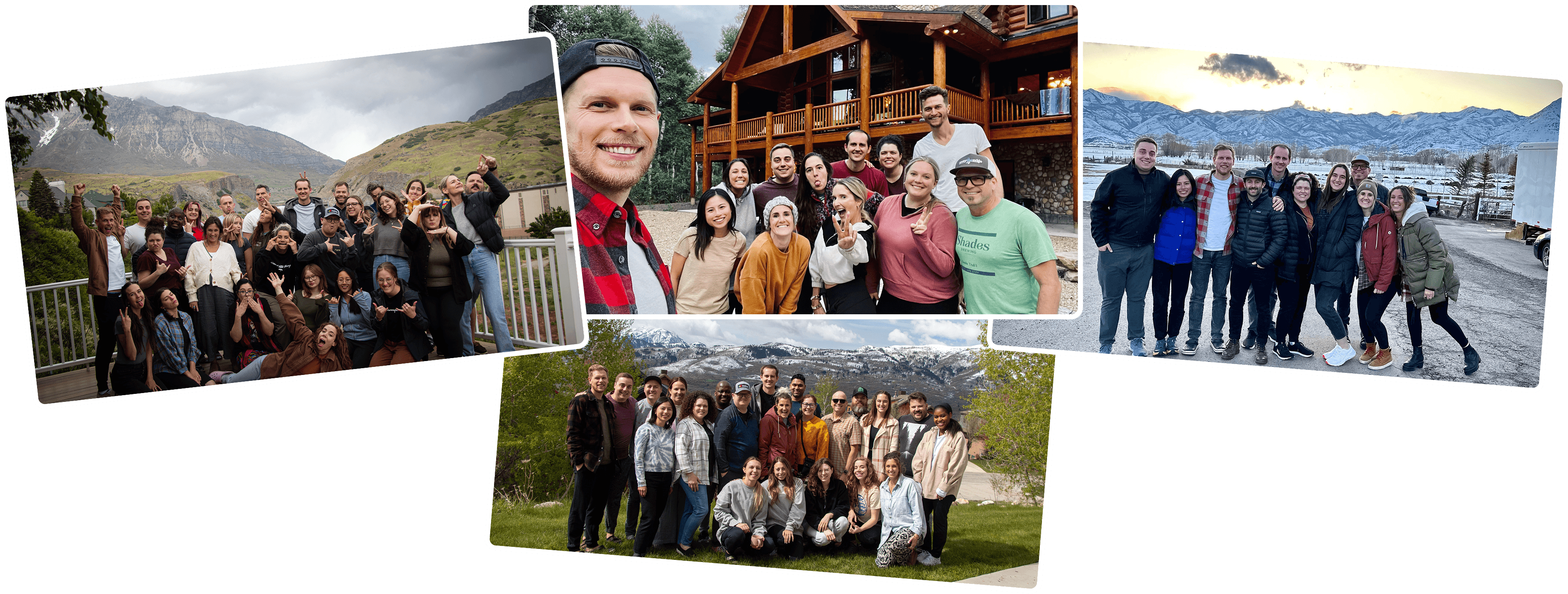
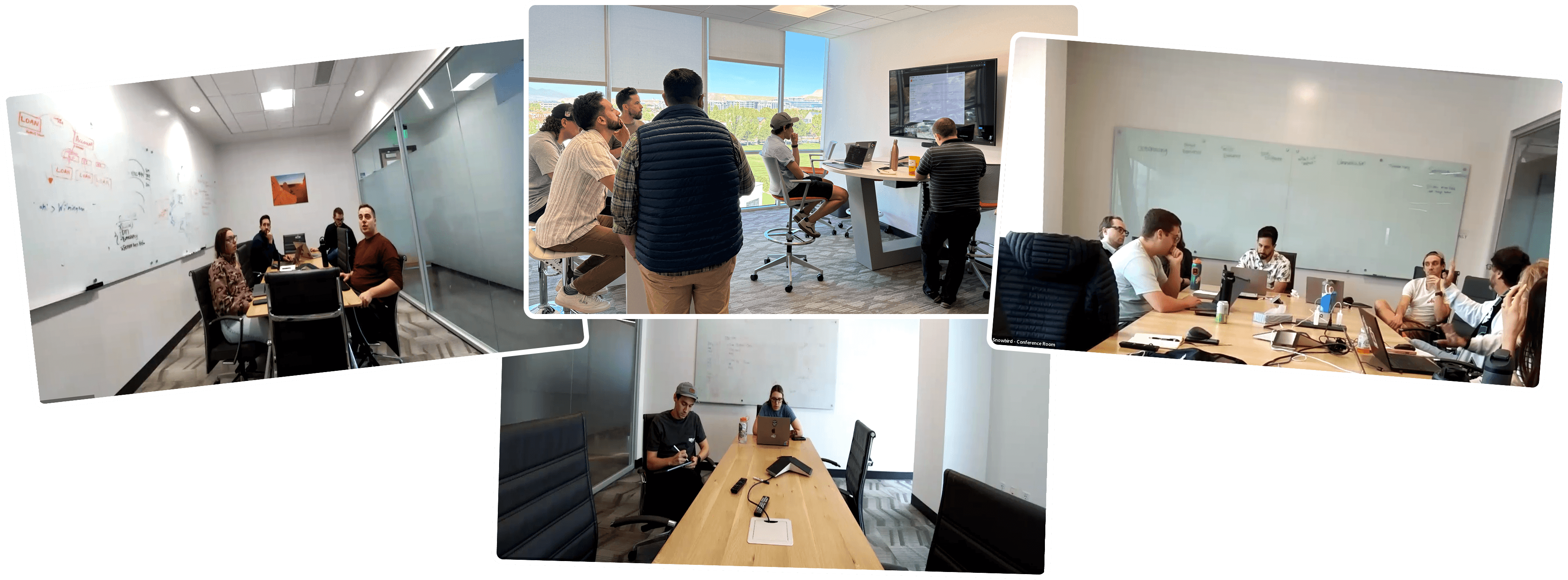
Working on a global UX team comes with challenges. My team was partially in-person and partially remote, so ensuring unity required intentional effort. I partnered with our UX director to facilitate a multi-day, in-person Product Design Team Summit where we cooked together, workshopped together, and strengthened our team connections. These memories remain some of my favorite from my entire career.
Creating culture through design rituals
I prioritized lightweight practices that created clarity and connection.
📚 User Experience University (UXU): Bi-weekly, designer-led workshops focused on sharing knowledge and training each other on design skills.
🎨 Design Critique: Twice weekly, we come together as a team to share work, receive feedback, and gain insight on how to build the best experience possible.
📹 Show and Tell Friday: Each designer records a 60-second clip showcasing what they worked on that week, highlighting wins and growth.
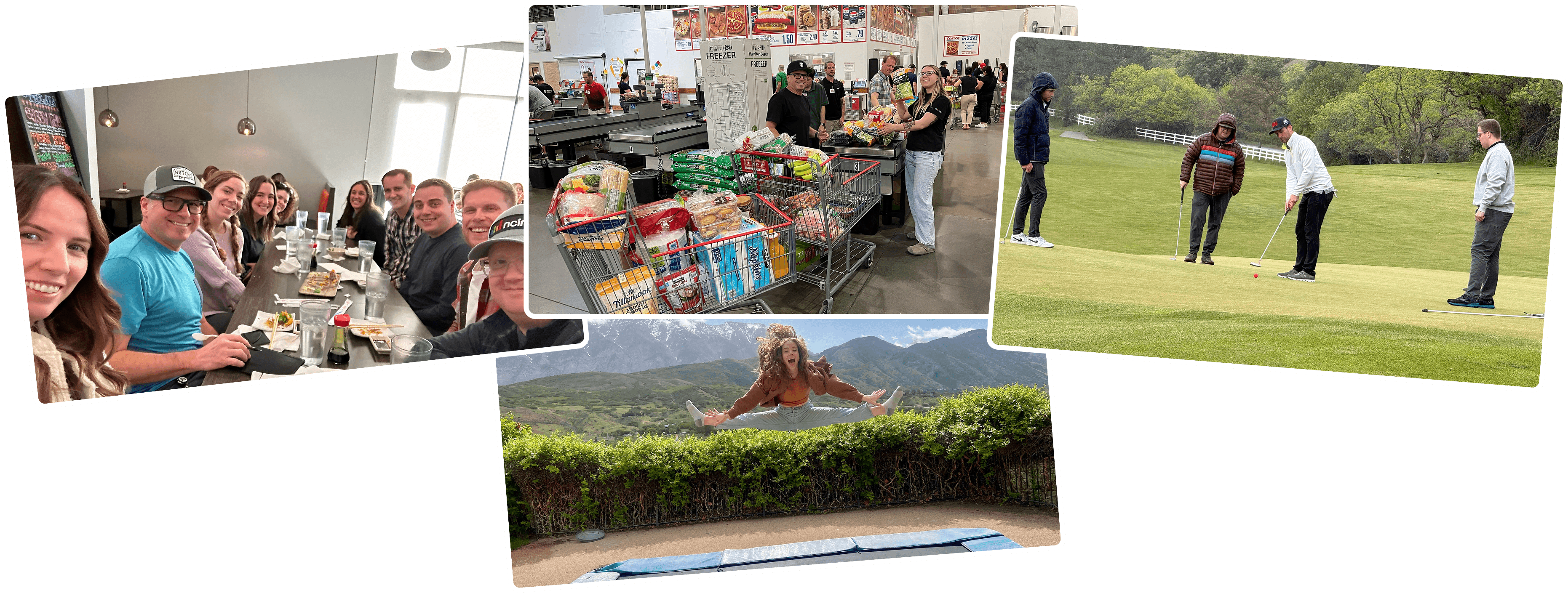
🍣 Welcome Lunches: When a new designer joins, we share a meal together. This tradition has created fond memories and built lasting team trust.
These rituals unified designers across locations and helped shift design from a support function to a strategic partner.
Attracting and developing top talent
Let's be honest: enterprise fintech isn't the first thing most designers dream about. But meaningful impact? That's universal. By grounding our hiring in a mission to make complex financial data understandable and actionable, we attracted designers motivated by real-world outcomes. I also launched a mentorship path that paired interns and early-career designers with senior designers for their first six weeks at nCino.
10 designers
I've helped hire
100%
Offer acceptance rate
100%
Intern-FTE conversion rate
Bringing Clarity to Complexity Through Research and AI
Scaling Design, Research, and Data Ops
Establishing research foundations
Before I arrived, no one at nCino Analytics had conducted true user research. I created templates, tagging systems, and analysis workflows in Dovetail, then collaborated with product and customer success partners to recruit representative users across institutions.
Our biggest obstacle? Finding the right users to research with. I spearheaded an effort to streamline user recruiting for the entire Product, Design, and Engineering organization. Collaborating across nearly every department (Legal, Customer Success, Product, Sales, and Engineering), I overcame significant barriers and built something that didn't exist before.
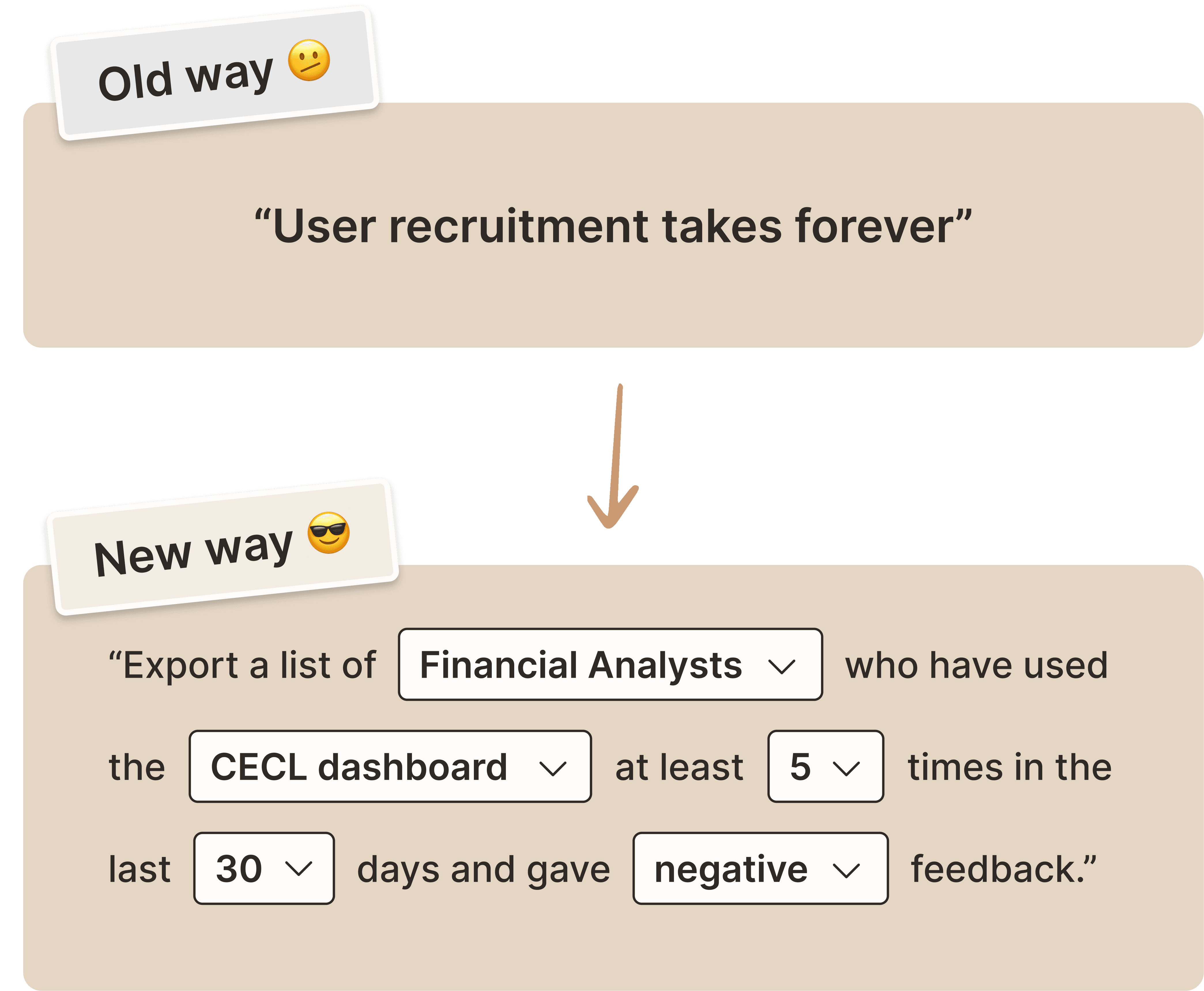
This infrastructure transformed how nCino approaches user research. Teams that previously struggled to find a single participant can now recruit representative users in days instead of weeks.
Making research a team habit
Engineers were initially hesitant to join research sessions. Sharing short clips of real customers struggling in real workflows during standups changed that. Engineers quickly became active participants and began refining features before handoff.
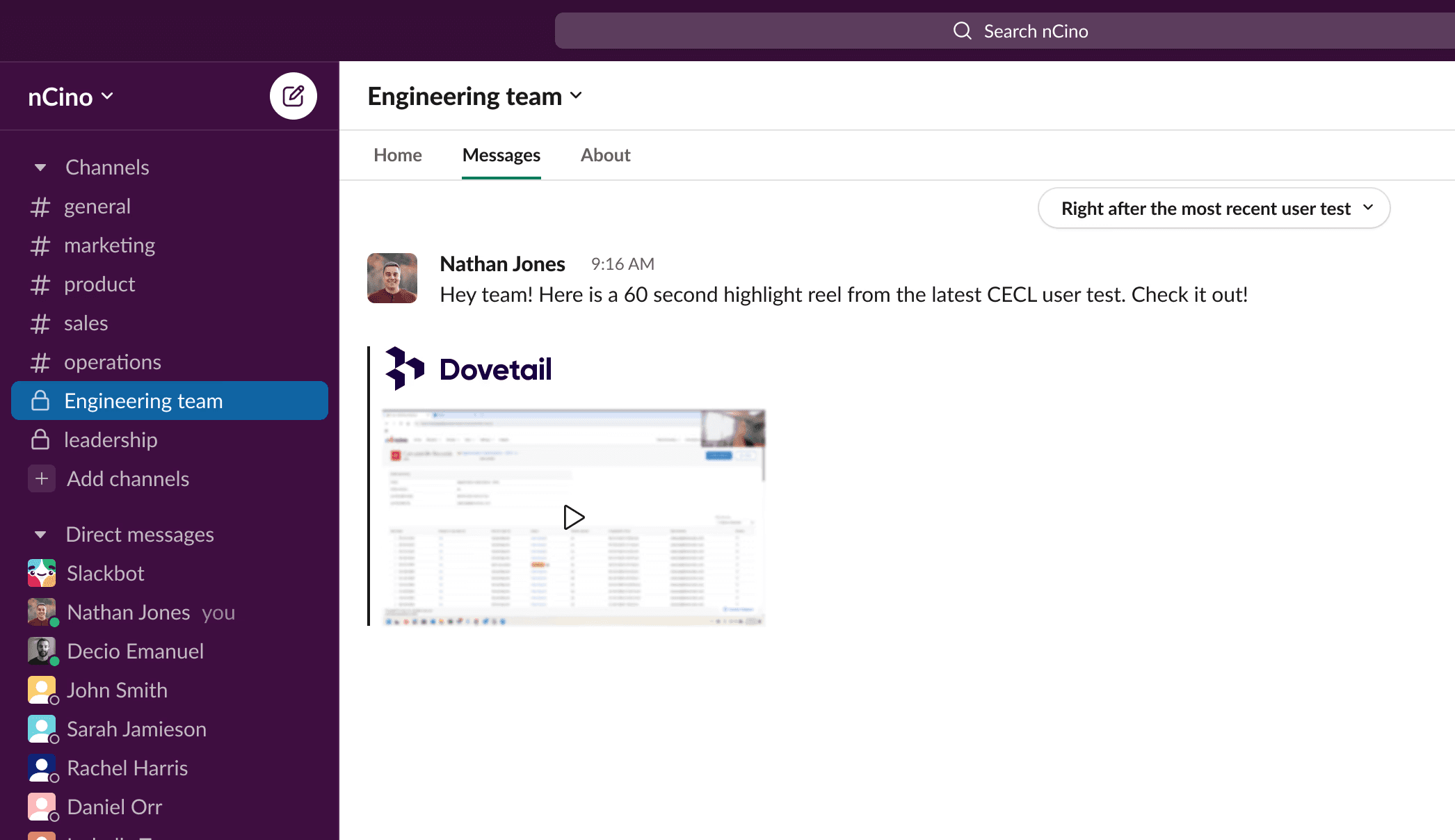
We connected Dovetail insights directly to Jira, creating a traceable loop from research to engineering execution. What started as an experiment became a standard practice: engineers and product managers now regularly observe research sessions. Nobody is required. They all want to be there.
Building our design system partnership
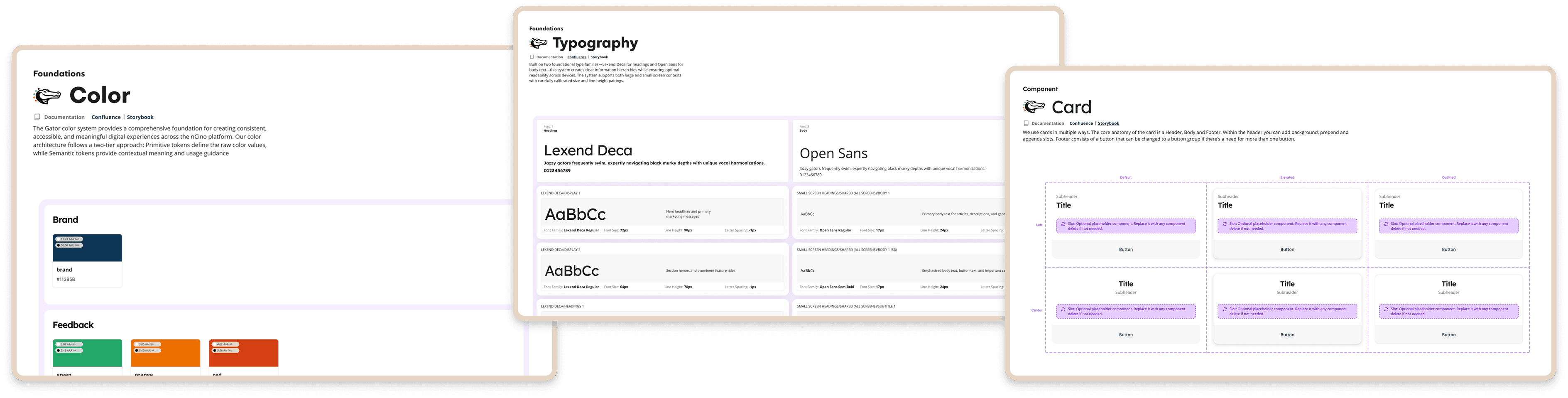
One of the most significant transformations was enabling Gator, nCino's enterprise design system. I partnered with engineering leadership to audit existing components, identify overlaps, and integrate global standards into nCino Analytics products. Designers standardized naming, usage, and accessibility while engineers improved logic and code architecture. It was the first time a shared component library had been introduced to the business unit. While challenging, it dramatically improved workflows over time.
This shared ownership accelerated delivery, reduced inconsistencies, and strengthened product quality across teams.
Introducing AI first design practices
I led an AI-first transformation that reshaped our speed and consistency across design and research. The centerpiece was a concept I developed called "Baselines": rapid prototypes representing the first and second layers of our entire experience, built in minutes rather than days.
With Baselines, designers and product managers could visualize ideas in as little as one to three prompts. Early concepts became clickable prototypes within minutes, enabling immediate testing and iteration. This approach took off globally across nCino and is now a standard practice I established for the broader organization.
Key advancements included:
Adoption of Figma Make and v0 (Vercel) for rapid prototyping
Baseline system enabling first-layer prototypes in seconds
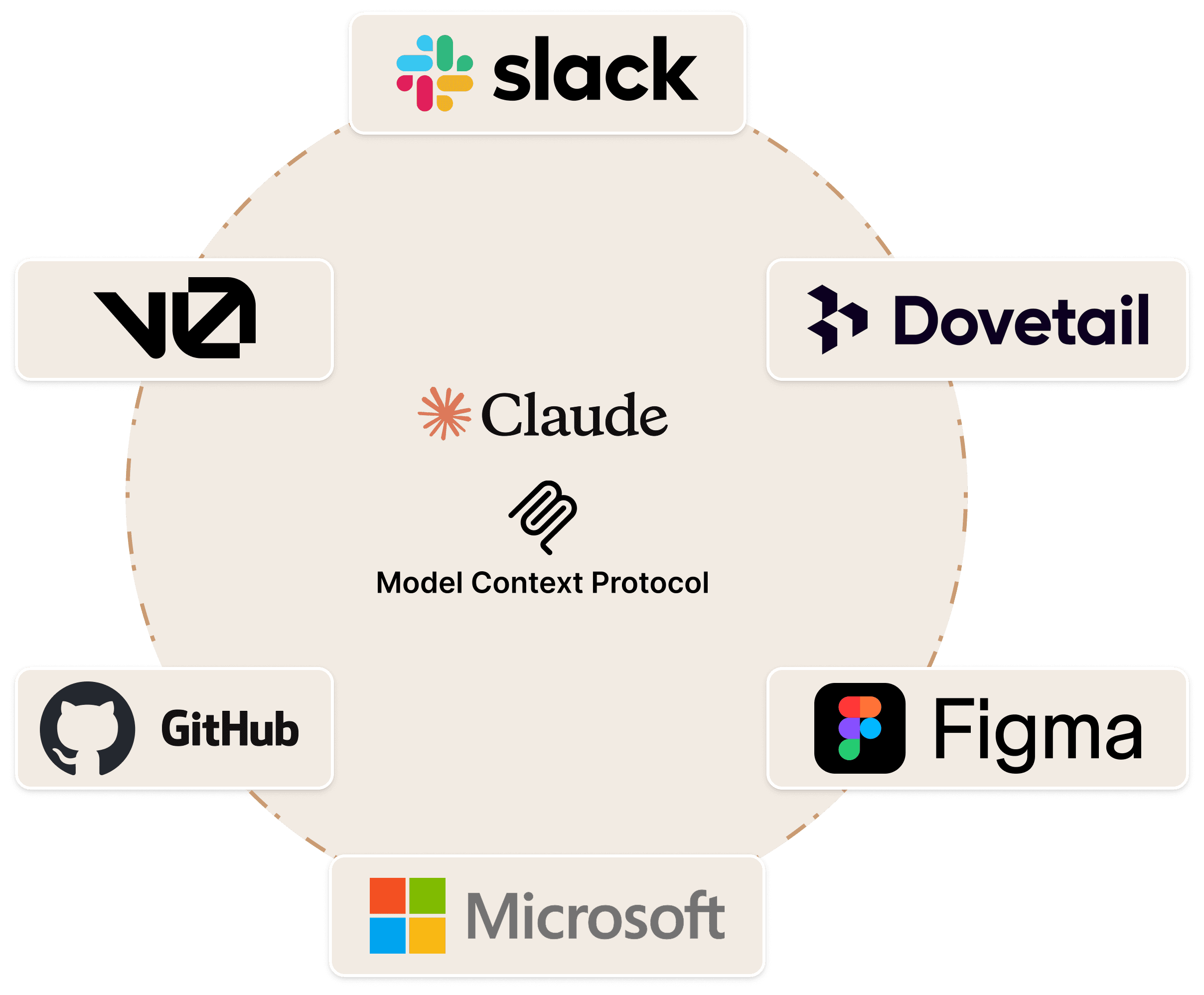
Claude MCP integrations for automated Dovetail synthesis, GitHub component documentation, v0 context engineering, Microsoft Onedrive integration and Figma Dev Mode clarity
Turning insight into measurable design outcomes
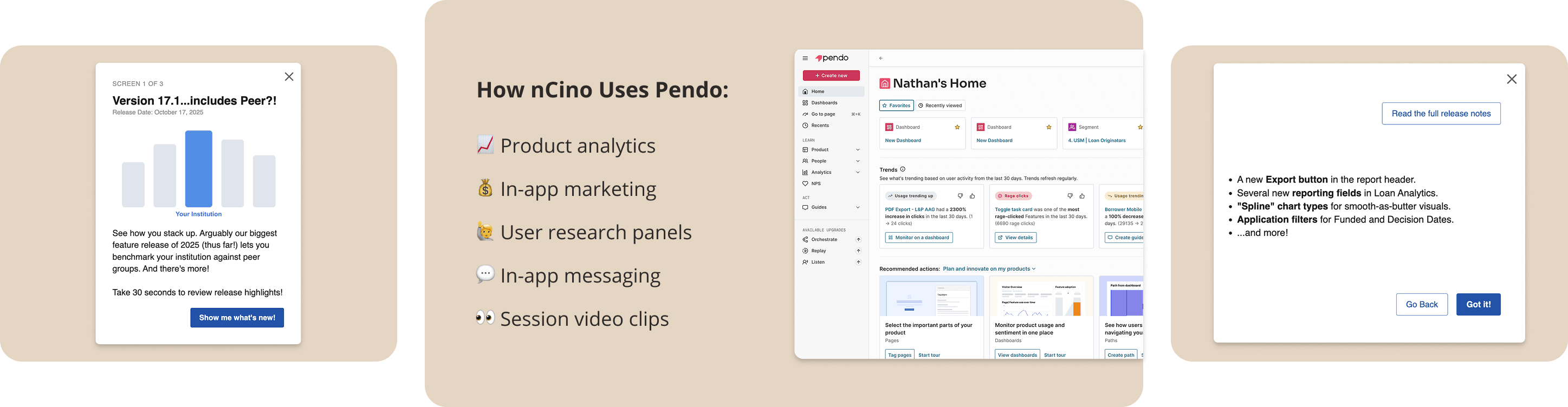
I led the implementation of Pendo to pair qualitative research with behavioral analytics. Before this, PA had no way to understand how users actually interacted with workflows. I also introduced NPS tracking to the business unit for the first time.
140
Features tagged
2.5M
Interactions tracked
1000+
Accounts monitored
Going from zero metric tracking to 2.5 million interactions tracked enabled us to make significantly more data-driven decisions as we worked to improve nCino Analytics.
Creating a Shared Understanding of What Good Looks Like
Defining an Analytics Vision
Establishing clarity and direction
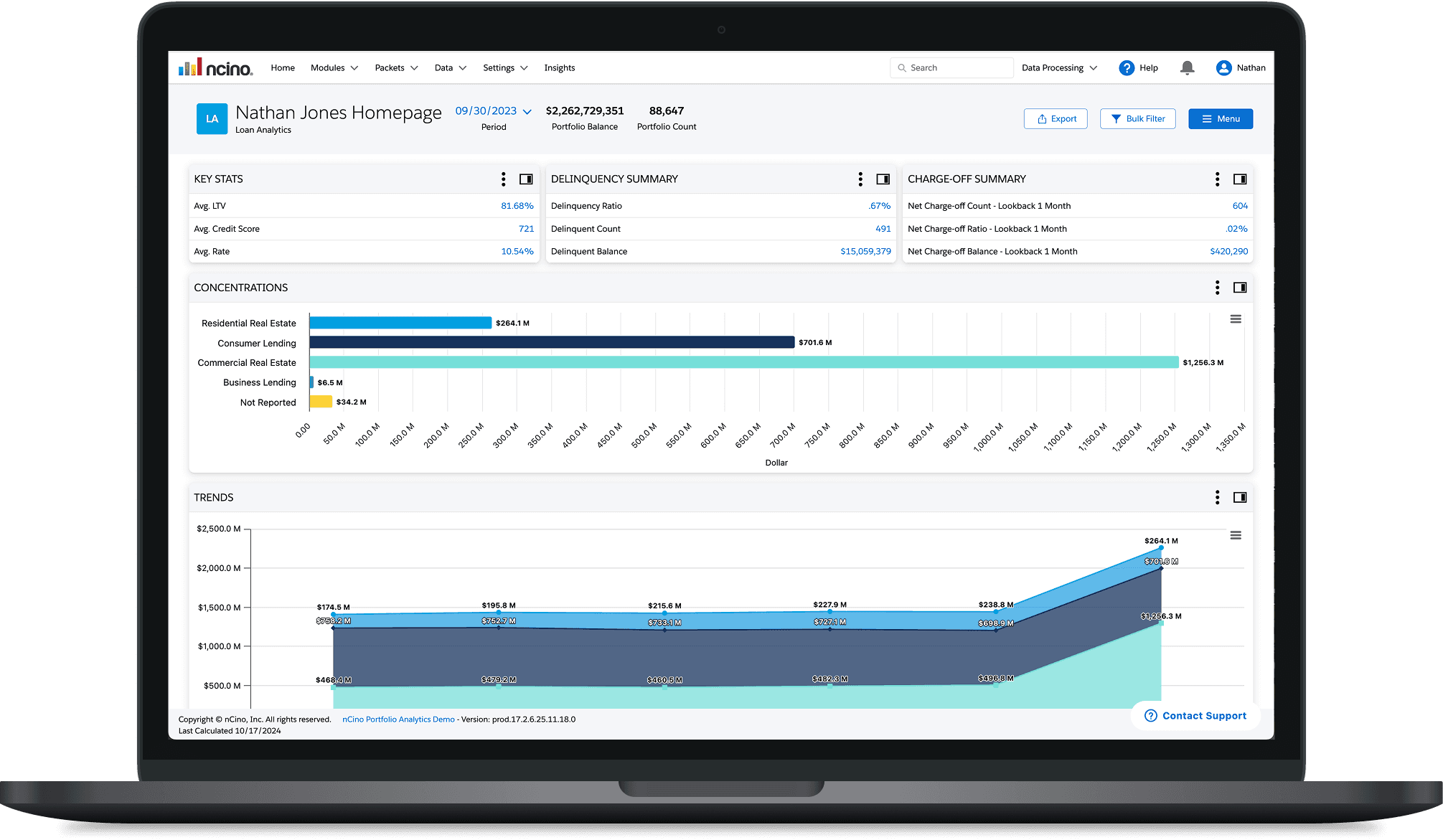
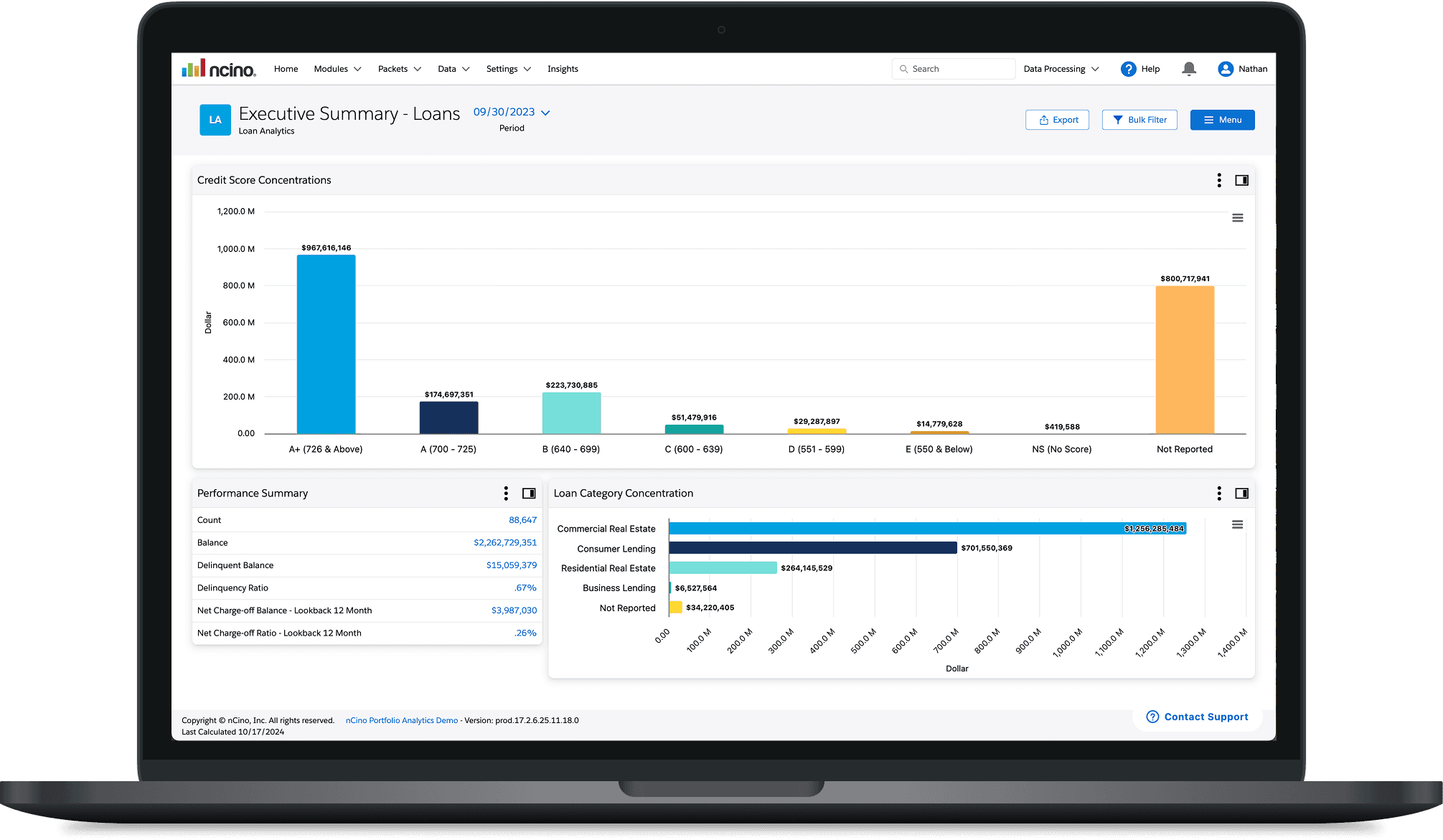
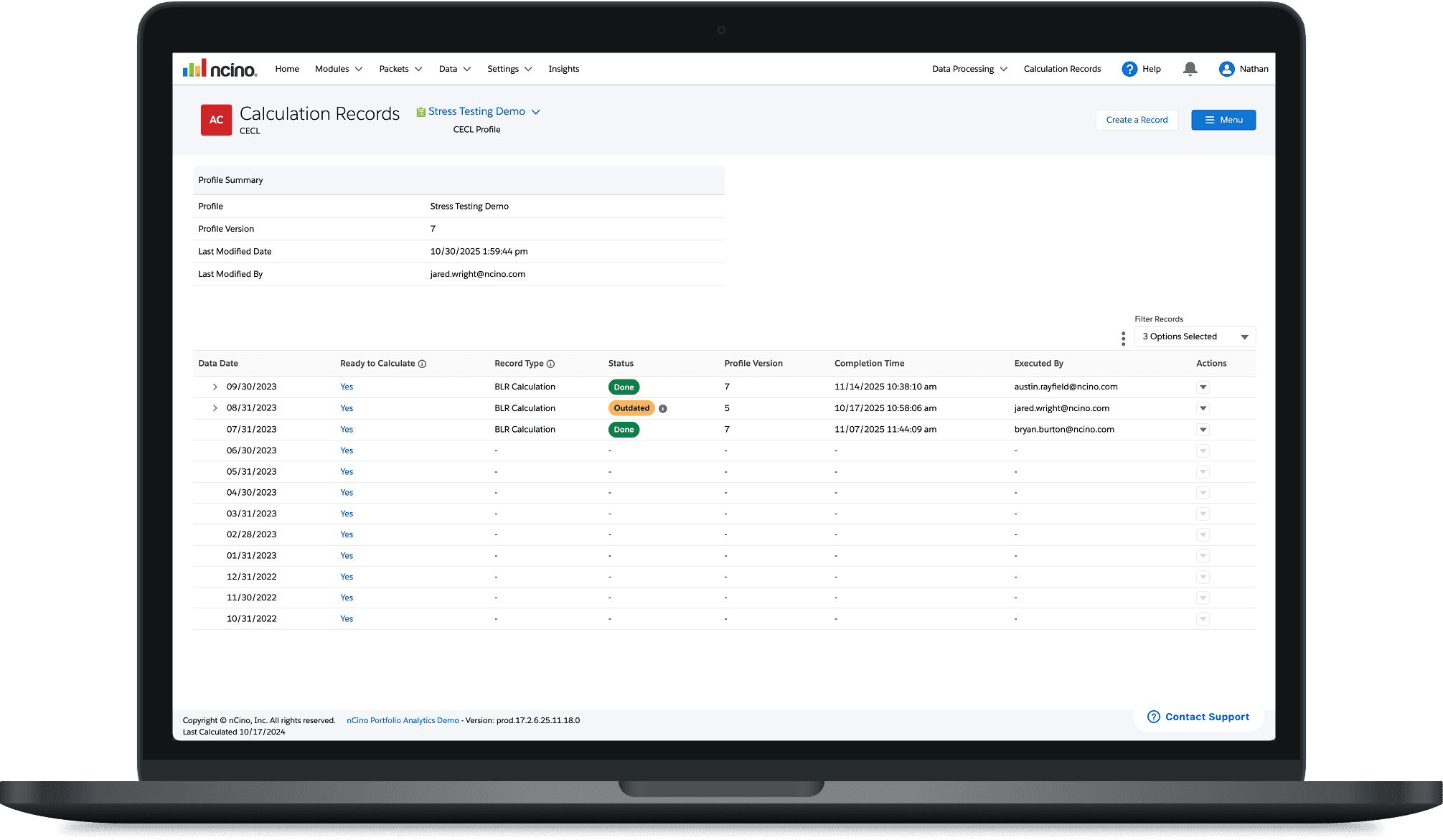
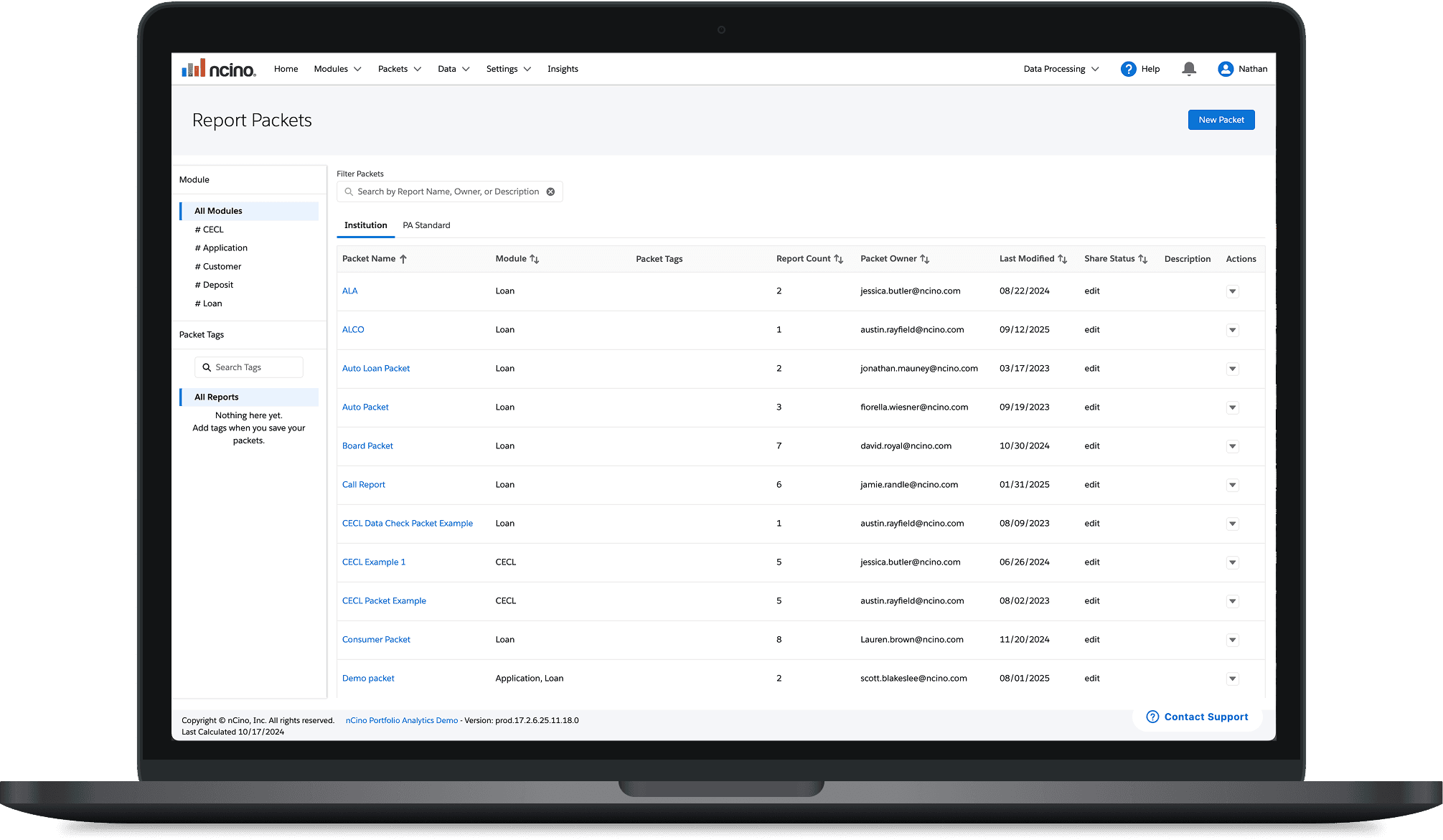
nCino Analytics was powerful but difficult to use. Most users stayed within basic features, and customer success teams handled repetitive tasks because advanced workflows were too hard to learn independently.
I mapped customer workflows from first login to expert use and partnered with engineering and product leaders to establish a design vision the entire organization could rally behind.
Balancing growth and usability
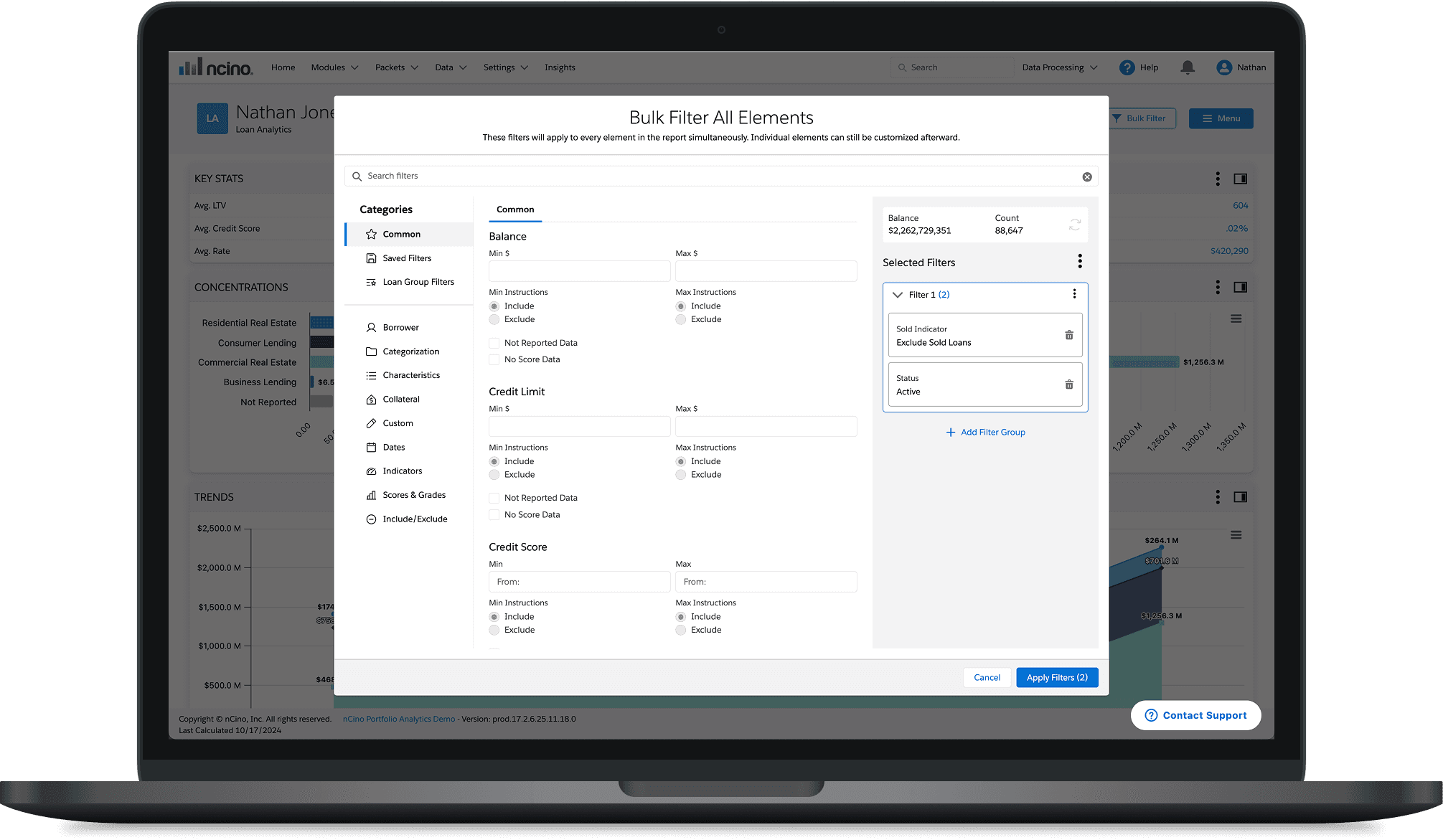
We couldn't stop everything and rebuild the product. Usability improvements had to coexist with revenue-driven delivery. We made incremental, continuous enhancements across workflows, copy, and data visualization. Over time, design system adoption improved and support burden decreased.
Building alignment across teams
I instituted weekly design reviews to align all designers across the five cross-functional teams and partnered with engineering to ensure consistency across component usage and interaction patterns.
Progress is great, but outcomes matter more.
Result and Impact
Over nearly two years, nCino Analytics evolved from a powerful but difficult tool into a platform that enables institutions to understand and act on their data with confidence. By building the design team, scaling research and analytics, integrating AI, and defining an organization-wide design vision, we reshaped how the product is built and how customers experience value.
~45%
Of US CU's by logo
~55%
Of US CU's by loan volume
14-24
Global design team headcount
73 NPS
World-class rating
141
1 on 1 research sessions
310K
Research panel participants
Reflection
Leading design for nCino Analytics required patience, alignment, and disciplined iteration. Progress came not from a single launch, but from hundreds of intentional steps that strengthened the team, the systems, and the product.
I'll be the first to admit I made mistakes along the way, especially early on. I came in with a "move fast and break things" mentality, and while that created momentum, it wasn't always the right approach. One of the biggest lessons I learned was maintaining rapid pace while prioritizing relationships, particularly with engineering peers. Speed means nothing if you burn bridges getting there.
The business unit now operates with a design function, a research practice, a shared analytics vision, and an AI-enabled workflow ready to support the next phase of growth.
Want to hear more? Reach out!
nathanwesjones@gmail.com
Role
Product Design Manager
Industry
Fintech
Time frame
June 2024 - Present
Impact
1000+ Customers & $1.3 Trillion AUM
Follow